
Election monitoring is no longer just about counting votes—it is about ensuring credibility, transparency, and efficiency throughout the entire process. Manual systems often struggle with delays, errors, and limited visibility, which can undermine public trust.
Digital election-monitoring software provides governments with real-time insights, secure reporting, and structured workflows that strengthen accountability. By integrating voter registration, polling updates, and results into one platform, these systems help authorities run elections more smoothly and reliably.
Technology Wisdom has implemented large-scale election monitoring systems, working with governments to improve reliable, coordination, and reporting across diverse electoral environments.
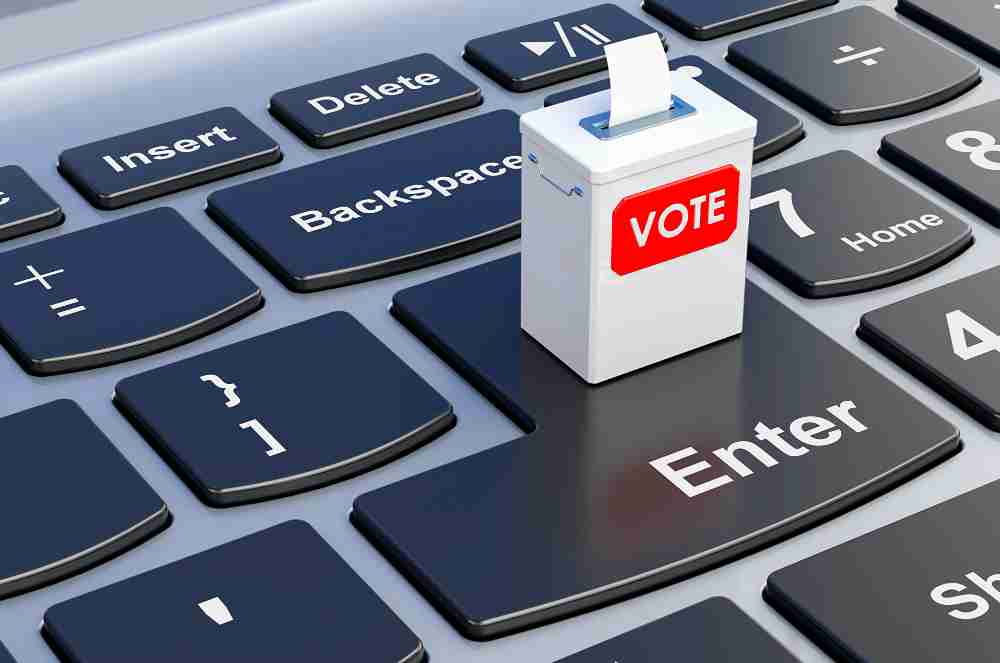
Elections are the foundation of democracy, but managing them at scale is complex. From voter registration to results, even small errors or delays can affect credibility and public trust.
Digital election-monitoring software addresses these challenges by replacing manual processes with real-time systems. Governments gain oversight into activities as they happen, improving accuracy, speed, and visible across the entire cycle.
More than a technical upgrade, these platforms are now essential for modern governance. As part of broader GovTech election management, they help authorities run elections more efficiently while reinforcing public confidence.
Table of Contents
show
What is Election Monitoring Software?
Election monitoring software is a centralized digital platform used to manage, track, and validate election activities. It brings together voter data, polling station updates, observer reports, and results into one unified system.
Often referred to as a digital election observation system, it allows election authorities and stakeholders to monitor processes in real time rather than relying on delayed, manual reporting.
These systems are designed to:
- Standardize election workflows
- Improve data accuracy and validation
- Enable faster, informed decision-making
- Increase transparency and accountability
Unlike traditional approaches, modern election technology solutions do not replace existing processes—they strengthen them by adding structure, reliability, and control.
Key Features
Effective election monitoring software is built to solve real operational challenges. Below are the core features that define a reliable system.
Real-Time Data Collection
Real-time data collection is one of the most important capabilities of any digital election system.
In traditional setups, polling data is collected manually and passed through multiple layers, which often leads to delays and errors. With digital tools, authorized personnel can submit data instantly through secure mobile or web applications.
This enables:
- Immediate reporting from polling stations
- Geo-tagged submissions for better verification
- Faster identification of issues or irregularities
- Reduced dependence on paper-based processes
For large-scale elections, this level of direct insight is critical. It allows election authorities to monitor activities as they happen and respond quickly when needed.
Voter Registration Management
A clean and accurate voter database is essential for fair elections.
Election monitoring software often includes voter registration management features that help maintain reliable and up-to-date records.
Key capabilities include:
- Centralized voter databases
- Duplicate detection and validation
- Secure access for authorized users
- Integration with national ID systems (where applicable)
This ensures consistency across the system while making updates easier to track and audit. As a result, election authorities can maintain accountability and reduce discrepancies over time.
Result Reporting & Visibility
Result reporting is one of the most sensitive stages of the election process. Any delay or inconsistency can affect public trust.
Modern election technology solutions simplify and secure this process through:
- Structured result submission workflows
- Automated validation checks
- Centralized dashboards for aggregation
- Role-based access for different stakeholders
Some systems also provide controlled public dashboards, allowing verified results to be shared transparently. This helps reinforce confidence in the electoral process by making information accessible and verifiable.
How TW Built Ethiopia’s Digital Election System
Technology Wisdom collaborated with Ethiopia to modernize its elections by replacing fragmented manual processes with a unified platform.
The solution included:
- A centralized monitoring system
- Mobile-based reporting tools for field officers
- Real-time dashboards for authorities
- Structured workflows for validation and escalation
Offline functionality ensured participation even in low-connectivity regions. The impact was clear: faster reporting cycles, improved accuracy, stronger coordination, and greater transparency.
As a result, the system delivered:
- Faster reporting cycles
- Improved data accuracy
- Better coordination between teams
- Increased confidence across election activities
How to Choose an Election Technology Partner
Selecting the right partner is critical for the success of any GovTech election management initiative. It is not just about technology—it is about experience, adaptability, and long-term support.
Here are key factors to consider:
1. Domain Expertise
The partner should understand election processes, regulations, and governance structures.
2. Scalability
The system must handle high volumes of users and data during peak election periods.
3. Security & Data Integrity
Strong security measures such as encryption, access controls, and audit logs are essential.
4. Offline Capabilities
The system should function in low-connectivity environments with reliable data synchronization.
5. Flexibility
Election processes vary by country, so the system must adapt to local requirements.
6. Proven Experience
A track record of successful government or large-scale implementations builds confidence.
7. Post-Implementation Support
Ongoing support, training, and maintenance are key to long-term success.
Let’s Talk About Your Requirements
Facing challenges like scattered systems, reporting delays, or limited visibility. The right digital approach can transform election operations.
Technology Wisdom’s GovTech solutions strengthen transparency, coordination, and reporting. To discuss your requirements and explore how we can support your election management initiatives, contact us today.
Conclusion
As elections grow more complex, election-monitoring software is becoming essential for ensuring Clear, accuracy, and efficiency. These systems are not just about digitization — they reshape how election data is collected, verified, and used in real time.
From real-time data collection to secure result reporting, they provide the structure and visibility needed to build trust in the electoral process.
For governments and organizations looking to modernize, investing in the right election technology solutions is a practical step toward more reliable and transparent elections.
Frequently Asked Questions (FAQ)
1. What is election-monitoring software used for?
It is used to manage, track, and monitor election processes in real time, improving transparency and efficiency.
2. How does a digital election observation system improve Visibility?
It provides real-time data, structured reporting, and audit trails, making the process more visible and verifiable.
3. Can election monitoring software work in remote or low-connectivity areas?
Yes, many systems include offline functionality with secure data synchronization.
4. Is election monitoring software secure?
Yes, when properly implemented, it includes encryption, access controls, and audit logs to protect sensitive data.
5. How long does implementation take?
It depends on the scale, but most systems are deployed in phases to ensure stability and adoption.
6. Can these systems integrate with existing government infrastructure?
Yes, they are designed to integrate with existing databases such as national ID systems or legacy tools.
Share this post:


You May Also Like
we are the best company giving services of UI UX designing, web developing or SEO since 2001.